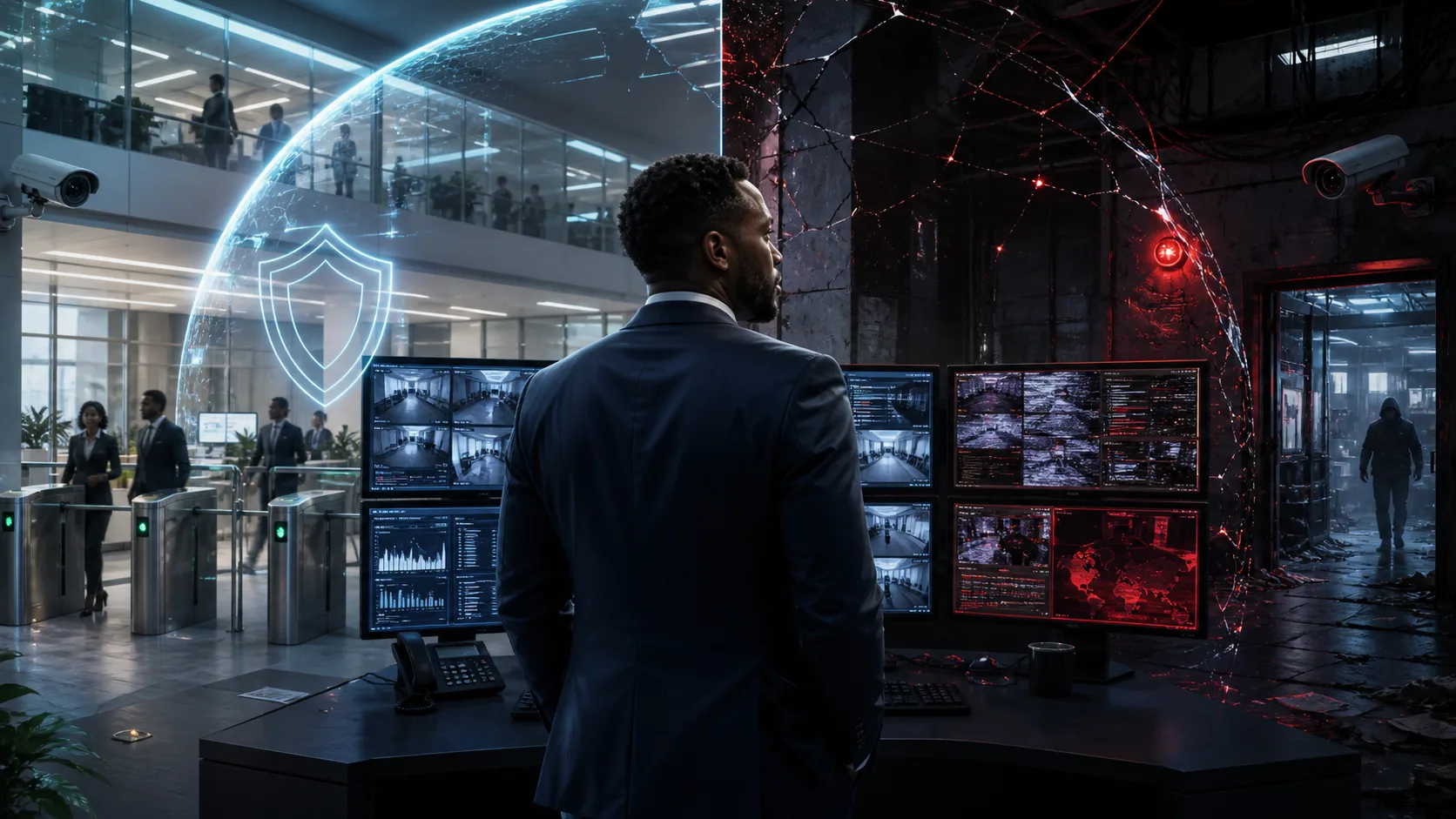

Trust is one of the most valuable assets any business owns. It takes years to build and only a single incident to weaken. Security breaches are not just technical failures. They are business crises that directly affect how customers, partners, and the public perceive a brand.
When organizations overlook cybersecurity risks and physical security gaps, they expose themselves to consequences that go far beyond immediate financial loss. The real damage often unfolds over time, eroding credibility, loyalty, and long-term growth potential.
The Real Cost of a Security Breach
Most companies initially focus on the direct financial impact of a data breach. These include regulatory fines, legal costs, and operational disruptions. While these are significant, they are only part of the equation.
The deeper cost lies in brand reputation damage. Customers expect businesses to protect their data and ensure safe environments. When that expectation is broken, confidence drops instantly.
Rebuilding trust is far more expensive than preventing the breach in the first place. Businesses may spend years trying to regain their position in the market, often with limited success.
Loss of Customer Trust and Loyalty
Customer trust is fragile. Once a breach occurs, customers begin to question whether their personal data or safety is at risk.
This leads to several outcomes:
- Customers hesitate to engage with the brand
- Existing clients may switch to competitors
- Negative reviews and public complaints increase
Trust is not restored by statements alone. It requires visible action and consistent proof that the business has strengthened its security posture.
Companies that invest in robust access control systems and surveillance infrastructure signal seriousness about protection. This reassures customers and stabilizes relationships.
Negative Media Exposure and Public Perception
Security breaches attract attention. Media coverage amplifies the incident, often framing it as a failure of responsibility or negligence.
This creates a narrative that can define a brand for years. Even after the issue is resolved, the association with poor security lingers.
Public perception becomes difficult to control. Social media discussions can escalate quickly, spreading misinformation and exaggerating the impact.
Organizations that proactively implement strong perimeter security and monitoring systems reduce the likelihood of such exposure. Prevention is not just about safety. It is about controlling the story before it begins.
Impact on Business Partnerships and Investor Confidence
Reputation is not only about customers. Business partners and investors evaluate risk carefully.
A company that experiences a security breach may face:
- Delayed or canceled partnerships
- Increased scrutiny during negotiations
- Reduced investor confidence
Investors look for stability and risk management. A breach signals weaknesses in internal controls and governance.
Strong corporate security strategy, including physical and digital protection, reassures stakeholders that the business is resilient and forward-thinking.
Operational Disruption and Productivity Loss
Security breaches often force businesses to pause operations. Systems may need to be shut down, investigations conducted, and processes rebuilt.
This leads to:
- Lost revenue during downtime
- Reduced employee productivity
- Delayed service delivery
The longer the disruption, the greater the reputational impact. Customers begin to see the business as unreliable.
Installing integrated security solutions such as CCTV surveillance and controlled entry systems helps maintain operational continuity. It reduces vulnerabilities that could trigger shutdowns.
Legal and Regulatory Consequences
Regulatory bodies take security seriously. A breach can result in investigations, fines, and compliance requirements.
Beyond financial penalties, legal consequences reinforce negative public perception. Customers see the business as failing to meet basic standards.
Compliance is no longer optional. It is a baseline expectation.
Organizations that adopt advanced business security solutions position themselves as responsible and compliant. This strengthens credibility and reduces regulatory risk.
The Psychological Effect on Customers
Security is not only about systems. It is about how people feel.
When customers hear about a breach, they experience uncertainty. Even if they are not directly affected, the perception of risk changes their behavior.
They may avoid interacting with the brand, reduce engagement, or limit transactions.
Visible security measures, such as controlled access points and monitored environments, create reassurance. They show that the business prioritizes safety at every level.
Why Physical Security Matters as Much as Cybersecurity
Many businesses focus heavily on digital protection while neglecting physical security. This is a critical mistake.
Unauthorized physical access can lead to:
- Data theft
- Equipment tampering
- Internal security breaches
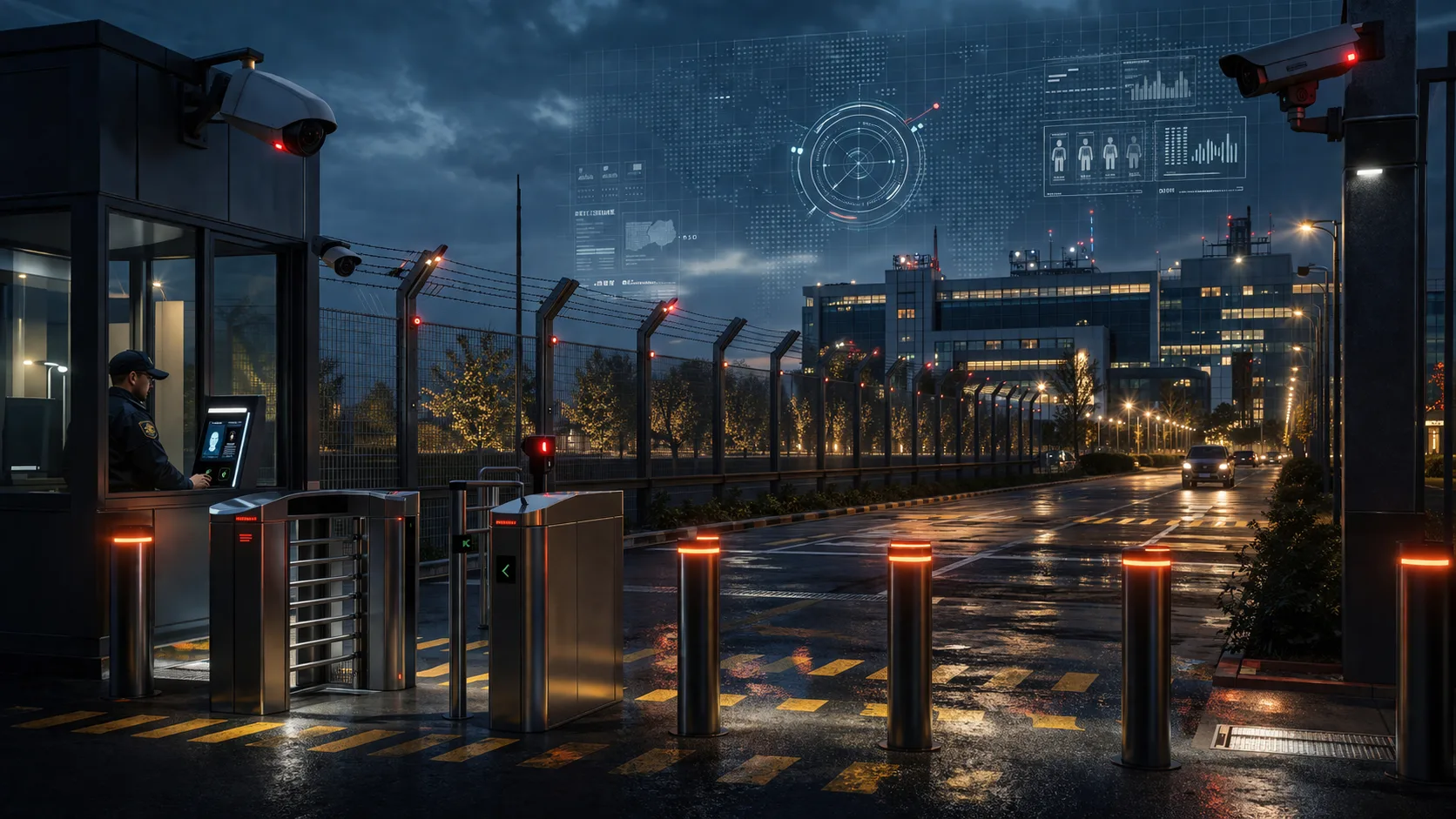
Turnstiles, bollards, and access control systems are not just infrastructure. They are strategic tools that prevent unauthorized entry and protect critical assets.
Combining physical and digital security creates a comprehensive defense system. This reduces the likelihood of breaches and strengthens overall brand integrity.
Building a Reputation Through Security Strength
Security is not just defensive. It is a competitive advantage.
Businesses that invest in strong security infrastructure position themselves as trustworthy and reliable. This becomes part of their brand identity.
Customers prefer companies that demonstrate responsibility. Partners choose businesses that minimize risk. Investors support organizations with solid foundations.
Security becomes a value proposition rather than a hidden function.
Strategic Benefits of Proactive Security Investment
Proactive security delivers long-term value:
- Protects brand reputation
- Enhances customer confidence
- Reduces operational risk
- Supports business continuity
- Strengthens market positioning
Instead of reacting to breaches, forward-thinking companies design systems that prevent them.
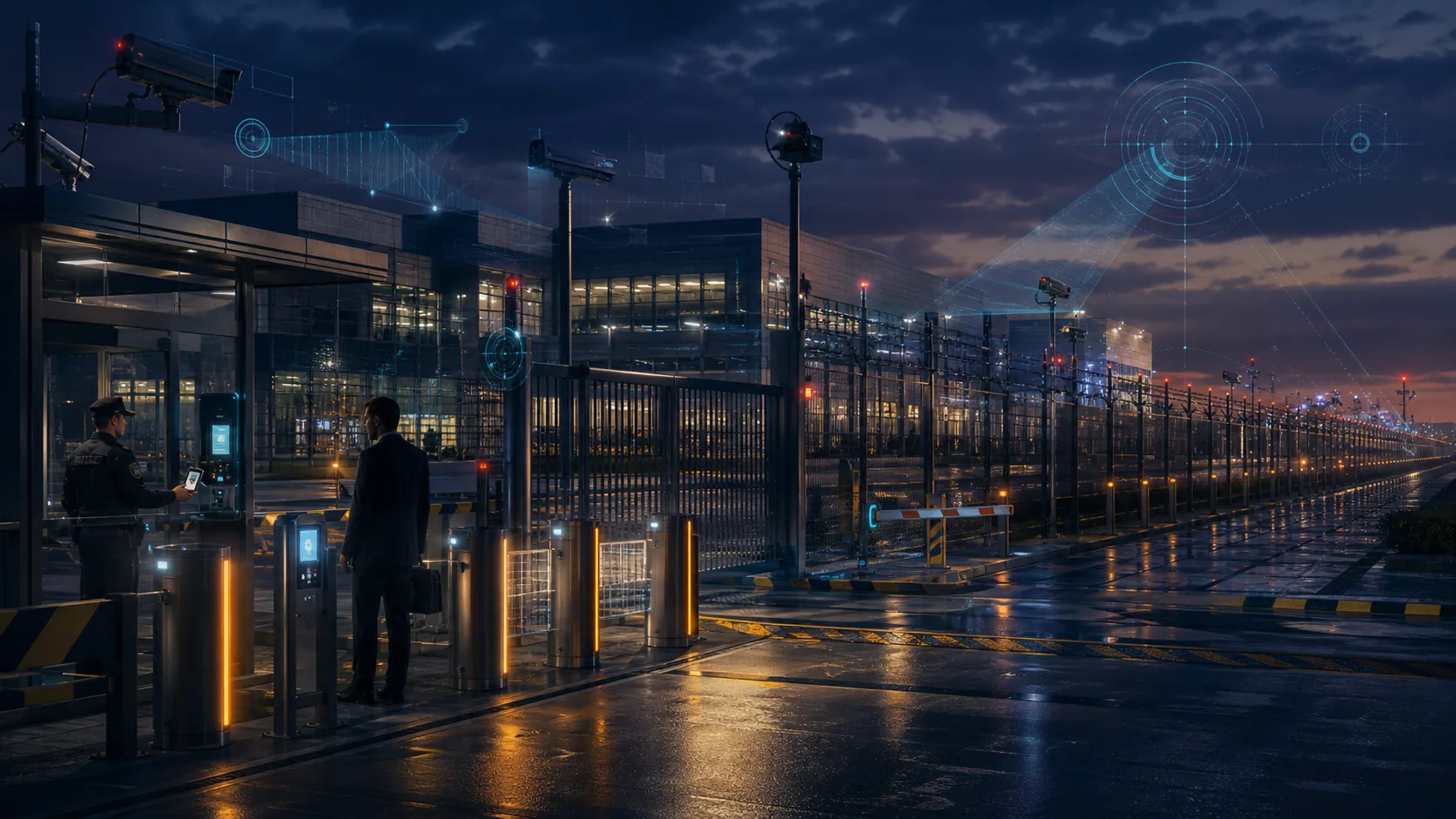
This includes integrating surveillance, access control, and perimeter protection into a unified strategy.
The Role of Infrastructure in Preventing Breaches
Security infrastructure is the foundation of protection.
Key components include:
- Access control systems to regulate entry
- CCTV surveillance for monitoring and evidence
- Turnstiles for controlled movement
- Bollards for perimeter defense
- Stadium and large-scale infrastructure solutions for high-traffic environments
Each element plays a role in reducing vulnerabilities and ensuring that unauthorized actions are detected and prevented.
Businesses that treat infrastructure as a strategic asset gain a significant advantage.
Long-Term Reputation Recovery Is Difficult
Once brand reputation damage occurs, recovery is slow and uncertain.
Companies often attempt to rebuild through marketing campaigns and public statements. While these help, they cannot replace lost trust.
Customers remember breaches. Competitors use them as leverage. The market becomes less forgiving.
Prevention is always more effective than recovery. Investing in security upfront protects years of brand equity.
Positioning Security as a Core Business Strategy
Security should not be treated as an afterthought. It must be embedded into the core business strategy.
This means:
- Aligning security with business goals
- Investing in reliable infrastructure
- Continuously assessing risks
- Partnering with experienced security providers
Organizations that adopt this mindset move from reactive to proactive. They control risks instead of responding to them.
Work With Us
Hillarich Business Machines Ltd delivers high-performance security solutions designed to protect businesses, assets, and people.
From advanced turnstiles and access control systems to CCTV surveillance, bollards, and large-scale stadium infrastructure, every solution is engineered for reliability and long-term value.
Our approach focuses on eliminating unauthorized access, strengthening perimeter security, and ensuring that your operations run without disruption.
If your business depends on trust, then security is not optional. It is essential.