
Many organizations invest heavily in internal operations while overlooking the one layer that determines whether those operations remain protected in the first place. That layer is perimeter security. When it is weak, everything inside becomes vulnerable, regardless of how advanced internal systems are.
Poor perimeter security is not always obvious. It rarely announces itself. Instead, it creates silent gaps that can be exploited long before anyone notices. These gaps often appear in the form of outdated barriers, weak entry control, insufficient monitoring, or inconsistent enforcement of access rules.
The real issue is not just physical intrusion. It is the chain reaction that follows. Once the perimeter is compromised, trust, operations, and reputation all become exposed.
Why Perimeter Security Is the First Line of Business Survival
Perimeter security is not just about fences, gates, or guards. It is a strategic control layer that defines who gets in, what enters, and under what conditions.
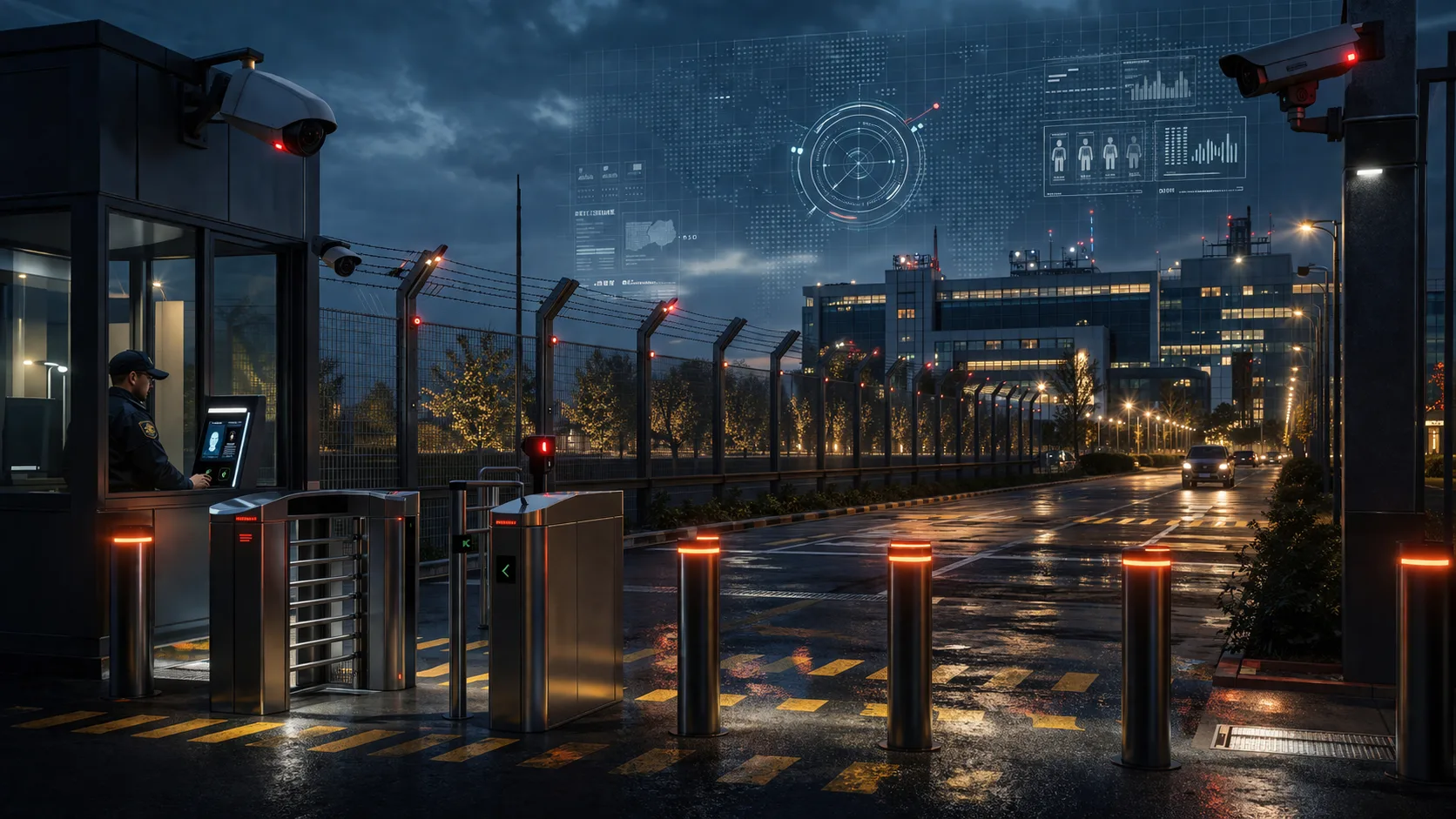
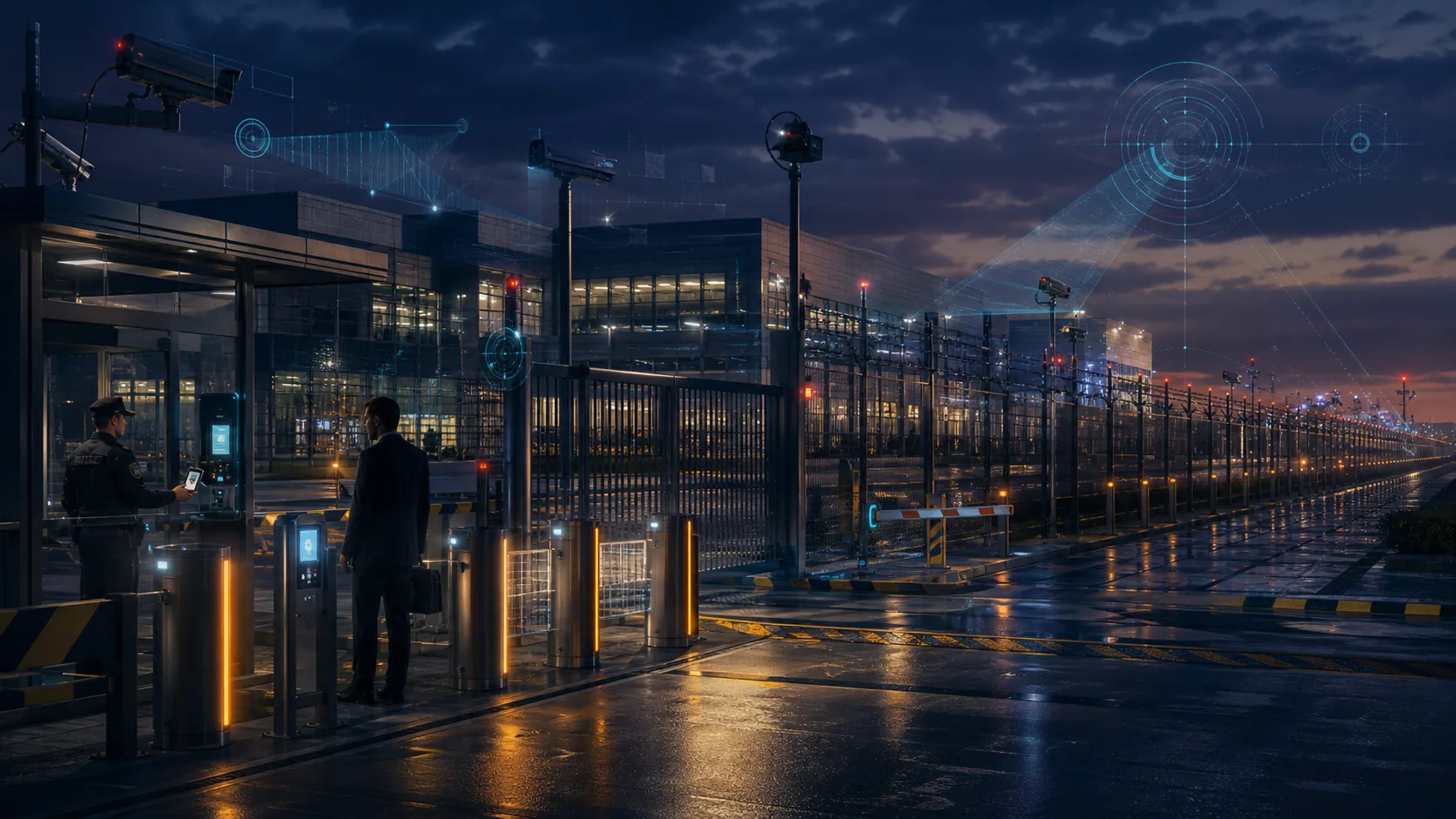
When properly designed, it integrates physical barriers with intelligent systems such as access control systems, CCTV surveillance, and controlled entry points like turnstiles and bollards. These elements work together to reduce uncertainty at the boundary of a facility.
When poorly implemented, however, it becomes a liability. Unauthorized access becomes easier, monitoring becomes reactive instead of proactive, and response time increases significantly during incidents.
This is where most organizations underestimate risk. They assume internal security will compensate for external weakness. In reality, it rarely does.
The Real Risks Behind Poor Perimeter Security
1. Unauthorized Access Becomes Easier Than Expected
One of the most immediate consequences of weak perimeter security is uncontrolled entry. Without strict access enforcement, individuals can bypass checkpoints or exploit blind spots.
This does not always involve force. In many cases, it involves simple social engineering, tailgating, or exploiting unmonitored entry points.
Over time, this creates an environment where identity verification loses meaning. Once that happens, internal security systems are already compromised at the gate level.
2. Increased Vulnerability to Security Breaches
Security breaches often begin at the perimeter, not inside the facility. Weak boundaries provide attackers with opportunities to study movements, identify gaps, and test response times.
Without strong CCTV surveillance and structured entry control, early warning signs are missed. This delay allows small breaches to escalate into major incidents.
The cost of such breaches is not limited to assets. It extends to operational disruption, regulatory exposure, and long-term loss of stakeholder trust.
3. Operational Disruptions That Affect Productivity
Poor perimeter control can cause unnecessary interruptions in daily operations. Unverified access, emergency incidents, or unauthorized movement within restricted zones can force shutdowns or slowdowns.
Even minor lapses can create bottlenecks at entry points. Over time, these inefficiencies accumulate and affect workforce productivity.
In high-traffic environments like industrial facilities or stadiums, the impact becomes even more pronounced.
4. Reputational Damage That Outlasts the Incident
Reputation is one of the most fragile assets in any organization. Once compromised, recovery is slow and often incomplete.
A single visible breach at the perimeter can signal poor management, weak controls, and lack of preparedness. This perception spreads quickly among customers, partners, and regulators.
In competitive markets, trust is not easily rebuilt. Many organizations underestimate how quickly a security incident can redefine public perception.
5. Higher Insurance and Compliance Risks
Insurance providers and regulatory bodies assess risk based on prevention systems. Weak perimeter security often leads to higher premiums and stricter compliance requirements.
Facilities without proper physical security solutions such as bollards, controlled access points, and monitored entry systems are typically categorized as high-risk environments.
This creates long-term financial pressure that goes beyond the initial security gap.
The Strategic Value of Strong Perimeter Security
A well-designed perimeter system is not just protective. It is strategic infrastructure.
It creates structure around movement, reduces uncertainty, and ensures that every entry point is accounted for. More importantly, it shifts security from reactive response to controlled prevention.
When organizations invest in proper perimeter security, they gain more than protection. They gain operational clarity.
Controlled Access Improves Decision-Making
With structured access control systems, organizations can track who enters, when they enter, and why they enter. This data becomes valuable for operational planning, audits, and investigations.
It also reduces ambiguity during incidents, making it easier to isolate problems and respond effectively.
Physical Barriers Reduce Risk Exposure
Elements like turnstiles and bollards are not just structural additions. They are deterrents. They limit unauthorized movement and define clear boundaries between public and restricted zones.
When combined with monitoring systems, they significantly reduce the likelihood of forced or unapproved entry.
Surveillance Creates Accountability
CCTV surveillance plays a critical role in modern perimeter security. It does not only record events. It shapes behavior.
When individuals know they are being monitored, compliance improves naturally. This reduces incidents and increases overall discipline within the facility.
Why Most Perimeter Systems Fail in Practice
Many perimeter systems fail not because the technology is weak, but because integration is poor.
A fence without monitoring is just a barrier. A camera without structured access control is just observation. A gate without enforcement is just an opening.
The failure occurs when systems operate independently instead of as a unified security architecture.
Another common issue is neglect. Over time, systems degrade, become outdated, or are ignored due to operational convenience. This creates invisible vulnerabilities that grow over time.
Building a Security-First Infrastructure Mindset
Organizations that take perimeter security seriously do not treat it as an afterthought. They treat it as infrastructure planning.
This involves aligning physical design with operational flow, ensuring every access point serves a defined purpose, and maintaining consistency in enforcement.
It also requires periodic evaluation. Security environments are not static. Threats evolve, and so must the systems designed to prevent them.
A security-first mindset recognizes that prevention is always more cost-effective than response.
The Business Case for Strong Perimeter Security Investment
From a business perspective, perimeter security is not a cost center. It is risk mitigation capital.
Every prevented breach protects revenue, reputation, and operational continuity. Every controlled entry point reduces uncertainty in daily operations.
Organizations that invest early in robust physical security solutions often experience lower incident rates, improved compliance standing, and stronger stakeholder confidence.
In sectors such as logistics, manufacturing, education, and large-scale facilities like stadiums, this advantage becomes even more critical.
The Role of Integrated Security Systems in Modern Facilities
Modern security challenges require integrated solutions. Isolated systems are no longer sufficient.
A strong perimeter system typically combines:
- Access control systems for regulated entry
- CCTV surveillance for monitoring and recording
- Turnstiles for structured pedestrian flow
- Bollards for vehicle access restriction
- Centralized monitoring for real-time decision-making
When these elements work together, they create a layered defense model that significantly reduces exposure.
Long-Term Impact of Ignoring Perimeter Security
Ignoring perimeter security does not eliminate risk. It only delays consequences.
Over time, vulnerabilities compound. Small gaps become systemic weaknesses. Minor incidents become recurring problems. Eventually, the cost of correction becomes significantly higher than prevention.
The most damaging part is unpredictability. Organizations often do not realize the extent of exposure until an incident forces visibility.
Work With Us
Hillarich Business Machines Ltd, Lagos-based security systems company, delivers turnstiles, access control systems, CCTV surveillance, bollards, stadium solutions, and complete installation services designed to eliminate unauthorized access and strengthen perimeter control.
Our approach focuses on building reliable physical security solutions that align with operational needs while reducing exposure to preventable risks. We help organizations move from reactive security thinking to structured, resilient protection systems that scale with demand.